Compare Local Contractors for Can Light Installation Services
Compare local contractors for can light installation to define scope, verify experience, and set clear expectations for a successful project.
Can light installation is a specialized service that typically involves the placement and wiring of recessed lights within ceilings to enhance illumination and aesthetic appeal. This work often includes planning the layout, installing fixtures, and ensuring proper electrical connections. Property owners may also need assistance with integrating dimming controls or upgrading existing wiring to support new lighting configurations. Clear communication about the scope of work helps ensure that the installation aligns with the intended design and functional requirements, reducing the risk of misunderstandings or incomplete projects.
Defining the scope of can light installation is a vital step in working with a contractor, as it establishes the expectations and responsibilities for the project. A detailed scope may cover the number of fixtures, specific locations, wiring modifications, and any additional features like smart lighting controls. Having this information in writing can prevent misunderstandings, facilitate accurate project planning, and provide a clear basis for comparing different service providers. It also helps property owners assess whether a contractor’s experience aligns with the specific needs of their space.
When comparing local contractors for can light installation, it’s important to evaluate their experience with similar projects, the quality of their previous work, and their approach to defining project scope. Property owners should consider requesting references or examples of past installations to verify expertise. Additionally, reviewing how each contractor plans to approach the work and what is included in their scope of services can help identify the best fit. Ensuring that expectations are clearly outlined and documented can contribute to a smoother process and a successful outcome.
Compare local contractors by outlining project priorities, verifying experience, and clearly defining scope and expectations in writing.
- Compare Contractor Experience - Review the background and past projects of local service providers to assess their expertise in can light installation.
- Define Project Scope Clearly - Outline specific requirements and expectations to ensure all parties understand the work involved.
- Verify Credentials and References - Check references and verify experience to select reliable and knowledgeable contractors.
- Document Details in Writing - Establish agreements that specify the scope, responsibilities, and expectations to prevent misunderstandings.

Clearly define your can light installation project to effectively compare local contractors, verify experience, and set expectations in writing.
- Verify experience with can light installation to ensure familiarity with ceiling types and wiring requirements. - Look for contractors who clearly define the scope of work and installation process in writing.
- Assess the contractor’s ability to provide detailed project plans, including placement and number of lights. - Ensure they can explain how they will handle existing wiring or electrical systems.
- Check that local contractors follow proper safety protocols and building codes relevant to lighting installations. - Confirm that all work will be documented and compliant with local regulations.
- Compare different service providers to see who offers transparent communication about the installation process and expectations. - Prioritize contractors who are willing to discuss technical details and answer questions.
- Ensure the scope of work includes any necessary modifications to ceilings or electrical systems before installation begins. - Clarify that all necessary preparations are addressed in the project plan.
- Request written estimates that outline the specific tasks, materials, and responsibilities involved in the can light installation. - Use these documents to compare and select the most suitable local contractors.
Compare local contractors’ experience and clarify project scope to ensure successful can light installation.
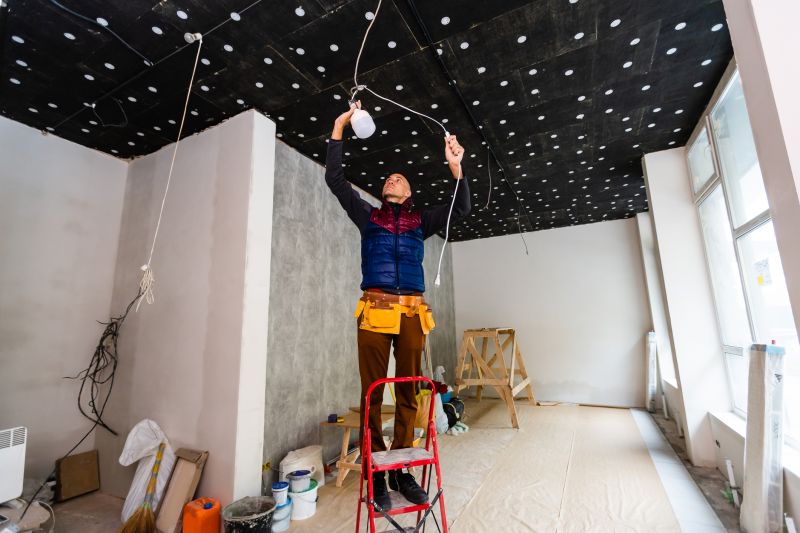
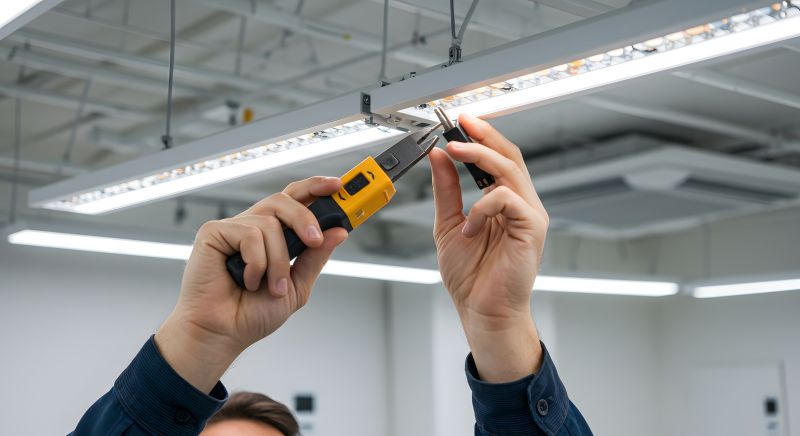


Compare local contractors' scope, experience, and written expectations to ensure consistent standards across providers.
- Scope Definition - Clearly outline the specific areas and number of can lights to be installed within the project.
- Experience Verification - Confirm that local contractors have relevant experience with can light installation in similar settings.
- Material Specifications - Specify the types of lighting fixtures, trims, and bulbs to be used in the installation.
- Wiring and Electrical Details - Define the wiring requirements, switch configurations, and integration with existing electrical systems.
- Installation Expectations - Establish the preferred installation methods, placement guidelines, and any aesthetic considerations in writing.
When comparing contractors for can light installation, it’s important to evaluate their experience with similar projects. Homeowners should seek service providers who have a proven track record of installing recessed lighting in residential settings comparable to their own. Asking about past work can help determine whether a contractor has the relevant expertise to handle the specific requirements of the space, such as ceiling height, existing wiring, and design preferences. Contractors with extensive experience in comparable projects are more likely to understand potential challenges and deliver results that meet expectations.
A clear, written scope of work is essential to ensure that both the homeowner and the contractor have a shared understanding of the project. This document should outline the specific tasks involved, the number of lights to be installed, any modifications needed to existing wiring or ceiling structures, and the desired lighting effects. Having a detailed scope helps prevent misunderstandings and provides a reference point throughout the project. Homeowners should verify that the scope is comprehensive and that all aspects of the installation are addressed before proceeding.
Verification basics are key when evaluating local contractors for can light installation. Homeowners can ask for references or examples of completed projects to confirm a contractor’s experience and reliability. It’s also beneficial to inquire about the contractor’s process for assessing the existing electrical system and ensuring compatibility with new lighting fixtures. Verifying a contractor’s familiarity with local building codes and standards can help avoid potential issues during installation. Gathering this information provides a clearer picture of each service provider’s capabilities and professionalism.
When comparing options, focus on how each contractor communicates and documents the project details. A reputable service provider will be willing to provide a detailed written proposal that clearly defines the scope, materials, and procedures involved. Homeowners should review these documents carefully to assess how well the scope aligns with their needs and to identify any potential gaps or ambiguities. Considering the clarity and thoroughness of the written scope, along with verified experience and project approach, can help homeowners make an informed decision when selecting a contractor for can light installation.
Ask contractors to provide written scope details to ensure clear expectations and consistent project understanding.
- Experience and Credentials - What specific experience do the contractors have with can light installation projects?
- Scope of Work - How do contractors define the scope of the installation to ensure all aspects are covered?
- Materials and Equipment - What types of lighting fixtures and equipment do the contractors typically use?
- Project Expectations - How do contractors clarify project details and set expectations in writing before starting?
- Comparison Criteria - What factors should be considered when comparing different service providers' approaches and expertise?
How can I compare contractors for can light installation? To compare contractors, review their experience, verify references, and assess their understanding of your project scope to ensure they meet your specific needs.
What should I consider when defining the scope of my can light installation? Clearly outline the number of lights, locations, and any special requirements to help contractors provide accurate information and ensure the project meets expectations.
How do I verify a contractor’s experience with can light installation? Ask for details about their previous projects, request references, and check if they have handled similar installations to confirm their expertise.
Why is it important to put project details in writing? Documenting the scope, expectations, and responsibilities helps prevent misunderstandings and provides a clear basis for the work to be performed.
What questions should I ask potential contractors before hiring? Inquire about their experience, approach to installation, how they handle unexpected issues, and how they ensure quality during the project.
How can I ensure the contractor understands my specific lighting needs? Communicate your preferences clearly, provide detailed plans or images if possible, and confirm that the contractor has a plan to meet your expectations before proceeding.
Visitors now have a clear understanding of how to evaluate and compare contractors for can light installation, including defining the scope of work, verifying experience, and putting expectations in writing. This knowledge can help in making informed decisions when choosing service providers who meet specific project needs. To explore options and find the right fit, using the quote form to connect with nearby contractors is a practical next step.
By filling out the quote form, visitors can easily compare local service providers who specialize in can light installation. This process enables them to review available options and select the contractors best suited to their project requirements. Taking this step can help facilitate a smooth and straightforward selection process for lighting installation needs.