Compare Local Contractors for Recessed Lighting Installation Success
Compare local contractors for recessed lighting installation to define project scope, verify experience, and set clear expectations in writing for a successful upgrade.
Recessed lighting installation involves more than simply placing fixtures into ceilings; it encompasses planning the placement, wiring, and integration of lighting elements to enhance a space’s functionality and aesthetics. Contractors typically handle tasks such as assessing existing ceiling structures, determining appropriate fixture types, and ensuring proper electrical connections. Defining the scope of work-such as how many fixtures are needed, the desired lighting effects, and any specific design considerations-helps ensure that the project meets expectations and reduces the risk of misunderstandings later in the process.
Establishing a clear scope of work is crucial when working with contractors for recessed lighting installation. A well-defined scope provides a detailed outline of the tasks involved, including the number of fixtures, placement locations, wiring requirements, and any additional features like dimming controls or accent lighting. This clarity helps property owners compare service providers more effectively, as it allows for assessment of each contractor’s experience and approach to similar projects. Written documentation of the scope also serves as a reference point throughout the work, helping to prevent scope creep and ensuring that everyone is aligned on project expectations.
When evaluating local contractors for recessed lighting installation, property owners should consider factors such as experience with similar projects, reputation within the community, and the level of detail provided in proposals. Comparing multiple service providers can reveal differences in how they approach scope definition, communication, and project planning. It’s beneficial to ask for references or examples of past work, and to verify that contractors understand the specific requirements of the project. By focusing on these practical aspects, property owners can make informed choices and select a contractor that aligns with their needs and expectations for the installation process.
Compare local contractors by outlining your project priorities, verifying experience, and setting clear expectations in writing.
- Compare Contractor Experience - Review the backgrounds of local contractors to ensure relevant experience with recessed lighting installations.
- Define Project Scope Clearly - Specify the details of the installation to set clear expectations with potential service providers.
- Verify Work References - Check references or past projects to assess the quality and reliability of local contractors.
- Document Agreements in Writing - Ensure all project details, responsibilities, and expectations are confirmed in a written contract.
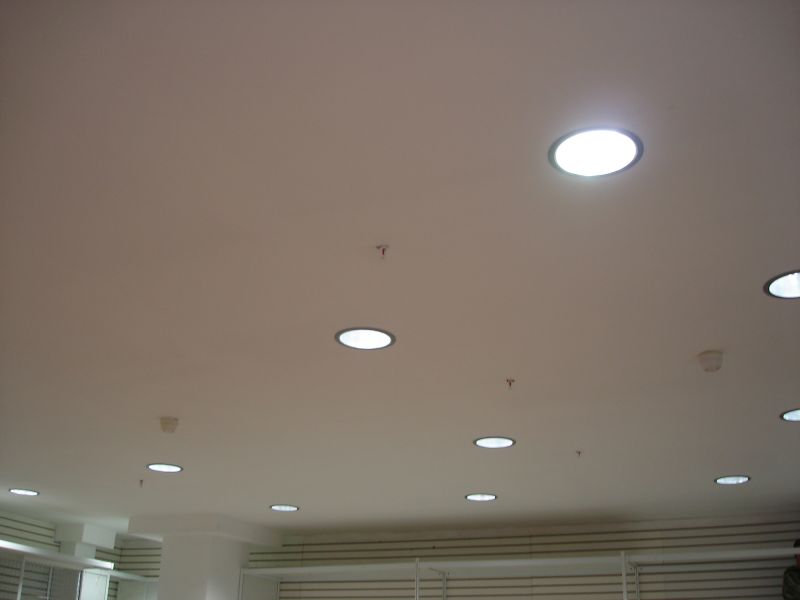
Clearly define your recessed lighting project and compare local contractors’ experience and scope to set proper expectations.
- Verify experience and expertise in recessed lighting installation to ensure quality workmanship. - Review the contractor’s previous projects and references related to lighting installations.
- Define the scope of work clearly in writing, including fixture types, placement, and any electrical modifications needed. - Ensure all project details are documented to avoid misunderstandings during the installation process.
- Check that the contractor is familiar with local electrical codes and safety standards applicable to recessed lighting. - Confirm that the service provider adheres to all relevant regulations for safe and compliant installation.
- Assess the contractor’s ability to provide detailed estimates and scope descriptions without including pricing or timelines. - Focus on the clarity and thoroughness of the scope of work rather than cost considerations.
- Compare multiple local contractors to evaluate their experience, communication, and professionalism before making a decision. - Gather information on their approach to ensure alignment with project expectations.
- Ensure the contractor offers a written contract that specifies the scope, materials, and any warranties or guarantees. - A comprehensive agreement helps set clear expectations and protects both parties throughout the project.
Compare local contractors' experience and clarify project scope to ensure a successful recessed lighting installation.

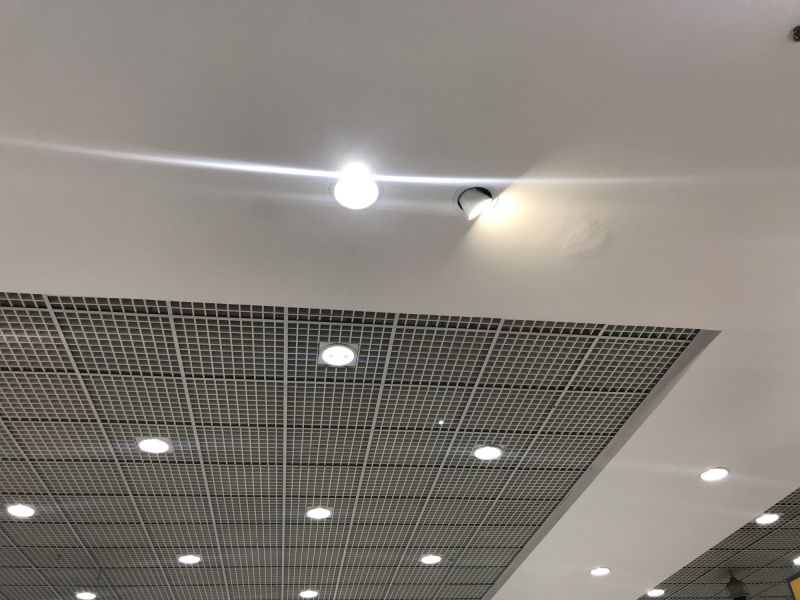


Use consistent comparison criteria to evaluate local contractors’ scope, experience, and written expectations for recessed lighting installation.
- Define the scope of recessed lighting installation to specify the number, placement, and type of fixtures required for the space.
- Verify the experience of local contractors with recessed lighting projects to ensure familiarity with installation techniques and code requirements.
- Establish clear project expectations in writing including materials, design preferences, and installation procedures.
- Assess the contractors’ methods for ensuring proper ceiling access and electrical connections to confirm compatibility with the existing space.
- Compare the approaches of different service providers to understand their process for planning, safety measures, and quality standards.
When comparing contractors for recessed lighting installation, it is important to assess their experience with similar projects. Homeowners should inquire about the types of lighting systems they have installed in spaces comparable to their own, such as living rooms, kitchens, or bathrooms. Understanding a contractor’s background with various ceiling types, fixture styles, and wiring configurations can help ensure they have the practical knowledge needed for a successful installation. Contractors who have handled projects similar in scope and complexity are more likely to be familiar with common challenges and best practices, leading to a smoother process.
A clear and detailed written scope of work is essential when evaluating different service providers. Homeowners should seek proposals that specify the number of fixtures, placement details, wiring methods, and any additional work such as dimmer switches or control systems. A well-defined scope helps prevent misunderstandings and provides a basis for comparing the thoroughness of each contractor’s approach. It also establishes clear expectations upfront, making it easier to address any questions or concerns before work begins. Service providers who can articulate their plan in writing demonstrate professionalism and a comprehensive understanding of recessed lighting installation.
Verification basics involve confirming a contractor’s ability to deliver quality work and their familiarity with relevant standards. Homeowners should ask about the contractor’s experience with electrical wiring and lighting systems, as well as their approach to safety and code compliance-without implying any formal licensing or certification. Requesting references or examples of completed projects can provide insight into their reliability and craftsmanship. Additionally, understanding how a contractor plans to verify that the installation meets functional and aesthetic expectations-such as proper fixture alignment and even lighting distribution-can help ensure the project will meet the homeowner’s needs.
Evaluating options without focusing on prices involves considering the contractor’s expertise, communication, and approach to the project. Homeowners should compare how well each service provider understands the scope, their responsiveness to questions, and their ability to provide detailed, written proposals. It’s also beneficial to assess their recommendations for fixture placement, wiring techniques, and overall project planning. By focusing on the contractor’s experience, clarity of communication, and professionalism, homeowners can select a service provider that aligns with their expectations for quality and reliability. This careful comparison helps ensure the chosen contractor will deliver a successful recessed lighting installation tailored to the home’s specific requirements.
Ask contractors to provide written scope details to ensure clear expectations and consistent project understanding.
- Experience with Recessed Lighting - What level of experience do local contractors have specifically with recessed lighting installation projects?
- Scope of Work Clarification - How do contractors define and outline the scope of the recessed lighting installation to ensure all aspects are covered?
- Materials and Fixtures - What types of fixtures and materials do service providers recommend, and how do they justify their choices?
- Project Expectations in Writing - How do contractors document the scope, materials, and responsibilities to set clear expectations?
- Comparing Contractor Approaches - What differences exist in how local service providers approach recessed lighting installation projects?
What should I consider when comparing contractors for recessed lighting installation? It's important to review their experience with similar projects, verify their reputation through references or reviews, and ensure they clearly define the scope of work in writing to set proper expectations.
How can I verify a contractor's experience with recessed lighting? You can ask for examples of previous installations, request references from past clients, or look for reviews that highlight their expertise in recessed lighting projects.
Why is it important to have the scope of work in writing? Having the scope documented helps prevent misunderstandings, clarifies what is included in the project, and provides a reference for expectations throughout the installation process.
What questions should I ask a contractor before hiring for recessed lighting installation? Inquire about their experience, the types of fixtures they recommend, how they handle wiring and electrical considerations, and whether they provide a detailed written plan of the work involved.
How can I ensure a contractor is suitable for my recessed lighting project? Review their portfolio or references, confirm they understand your lighting goals, and verify that they are willing to provide a clear written description of the work to be performed.
What is the best way to compare different contractors for recessed lighting installation? Gather detailed proposals that outline scope and approach, check their experience and reputation, and ensure their project plan aligns with your expectations before making a decision.
Choosing the right contractor for recessed lighting installation involves understanding how to compare local service providers, define the scope of work, verify experience, and establish clear expectations in writing. This process helps ensure the project aligns with specific needs and preferences while providing a basis for informed decisions. By reviewing these key considerations, homeowners can approach their lighting upgrade with confidence and clarity.
To find the best match for recessed lighting installation, visitors are encouraged to use the quote form to compare options among local contractors. Gathering multiple proposals allows for a better understanding of available services and helps identify the professionals best suited to handle the project. Taking the time to evaluate and communicate expectations with service providers can support a smooth and satisfactory experience.